
Advices before pregnancy
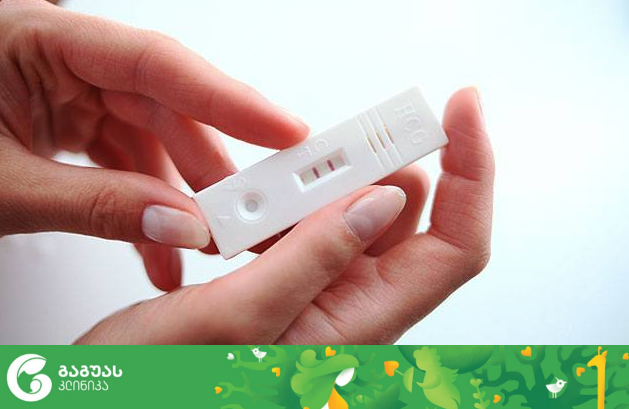
Pregnancy Test
Home pregnancy tests can detect pregnancy in approximately 97% of cases, even after just one day of a missed period. A pregnancy test is considered positive when it detects human chorionic gonadotropin (hCG), the hormone produced during pregnancy. If your body contains a sufficient amount of hCG, congratulations—you are most likely pregnant. However, in rare cases, a pregnancy test may be positive even when there is no ongoing pregnancy.
Chemical Pregnancy
A positive pregnancy test does not always result in a continuing pregnancy. In some cases, a woman is initially pregnant, but a few days later experiences menstrual bleeding due to a very early miscarriage, also known as a chemical pregnancy.
Studies suggest that 25–40% of pregnancies may end in a very early miscarriage, often before the woman realizes she is pregnant. These losses usually appear as a menstrual period.
What should you do after a positive pregnancy test?
If your pregnancy test is positive, the next step is to schedule an appointment with your obstetrician-gynecologist. An ultrasound examination can confirm and visualize the pregnancy, even in its early stages.
Recent Miscarriage
If you have recently experienced a miscarriage, your pregnancy test may remain positive because hCG levels can stay elevated for some time after the pregnancy has ended.
False-Positive Test Results
Before using a home pregnancy test, carefully read the instructions and check the expiration date. Incorrect use or an expired test may affect the accuracy of the result.
Medications
Hormonal medications used in fertility treatment may influence pregnancy test results, particularly medications containing hCG. If you are undergoing fertility treatment, consult your doctor to determine the most appropriate method for confirming pregnancy.
Rare Medical Conditions
In rare cases, certain tumors can produce human chorionic gonadotropin (hCG), leading to a positive pregnancy test in the absence of pregnancy. An ultrasound examination, along with additional medical evaluation when necessary, can help rule out these conditions.