
Advices after pregnancy
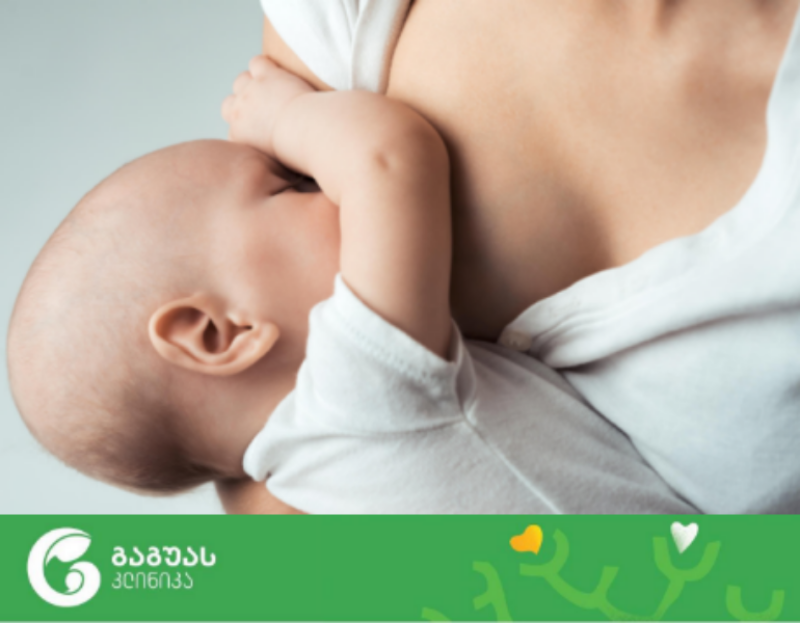
Early Breastfeeding
Early breastfeeding plays a vital role in establishing successful breastfeeding, maintaining your newborn's body temperature, preventing infections, and strengthening the bond between mother and baby.
Most newborns are ready for their first breastfeed within 25–55 minutes after birth. Do not force your baby to breastfeed if they are not yet ready. Instead, wait until your baby shows signs of feeding readiness, such as:
- Moving toward the breast.
- Looking at the breast.
- Touching the breast.
- Showing feeding reflexes, such as turning the head, licking the lips, or opening the mouth.
Allow your baby to feed for as long as they wish. Do not limit the duration of the first feeding.
Early, unrestricted breastfeeding provides your baby with:
- Energy to maintain body temperature.
- Essential nutrients for growth.
- An opportunity to establish a strong emotional bond with the mother.
Early breastfeeding also stimulates the release of oxytocin, a hormone that helps the uterus contract after birth and reduces the risk of postpartum bleeding.
After a Cesarean section, breastfeeding should begin as soon as possible, once the mother has recovered sufficiently from anesthesia.
The first milk (colostrum) is extremely important for your baby. It helps protect newborns from many infections and diseases. Colostrum also contains essential growth factors that support the development of the digestive system, brain, nervous system, and eyes.
No food or fluids other than colostrum should be given to your baby. Although colostrum is produced in small amounts, it provides everything a healthy newborn needs during the first days of life.


