
Advices after pregnancy
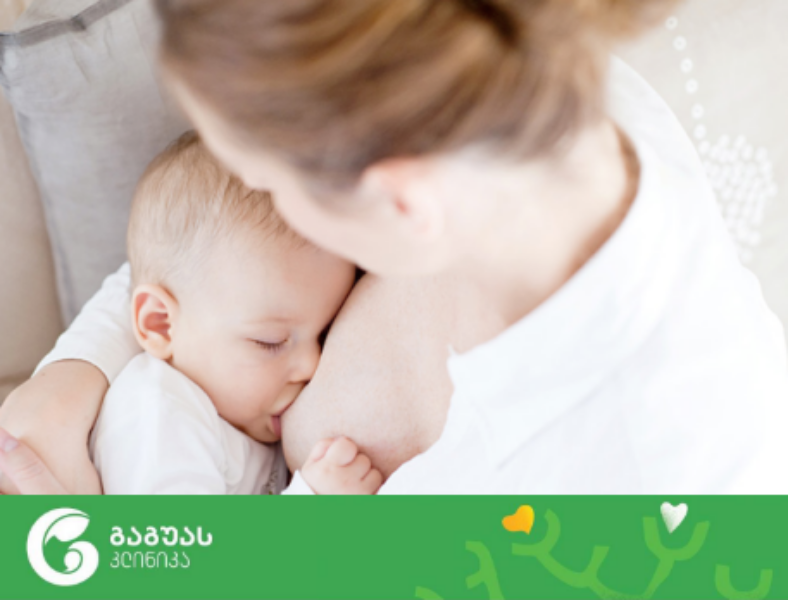
Breastfeeding
Breast milk is the best source of nutrition for newborns and infants.
Breast milk contains everything your baby needs for healthy growth and development, including:
- Proteins
- Fats
- Carbohydrates
- Vitamins
- Enzymes
- Antibodies
- Water
- Minerals
During the first few days after birth, the breasts produce a yellowish fluid called colostrum. Colostrum is the ideal first food for a newborn. It is highly nutritious, rich in antibodies, and helps protect your baby from infections. It also supports the growth and function of the digestive system. Although produced in small amounts, colostrum fully meets a newborn's nutritional needs in both quantity and quality.
Babies who are breastfed are less likely to develop illnesses such as asthma, obesity, allergies, and infant colic. They also tend to grow and develop better than babies who are formula-fed or receive mixed feeding. If every baby were exclusively breastfed during the first six months of life, an estimated 1.5 million infant lives could be saved each year worldwide, while millions more children would experience improved health and development.
Almost every mother is able to breastfeed. If a mother is uncertain about breastfeeding, the support and encouragement of her partner, family, and loved ones can make a significant difference.
Breast milk provides both complete nutrition and adequate hydration. Therefore, during the first six months of life, babies do not need any additional food or fluids—including water. Even in hot climates, breast milk fully satisfies an infant's fluid requirements. No other food can match the nutritional value and health benefits of breast milk.
Breast milk is also easy for babies to digest, supporting healthy growth and development.
How to Know if Your Baby Is Getting Enough Breast Milk
Your baby is likely receiving enough milk if they:
- Have bowel movements every day (sometimes after every feed).
- Produce 6–8 wet diapers per day.
- Appear satisfied after feeding.
- Gain approximately 125–150 grams per week.
If These Signs Are Not Present
Consider the following:
- Your baby may need to breastfeed more frequently—at least 12 feedings in 24 hours. Each feeding should last at least 15 minutes. It is important for the breast to be emptied so that your baby receives the hindmilk, which is higher in calories and supports healthy weight gain. If your baby cannot fully empty the breast, express the remaining milk and feed it with a spoon.
- Your baby may need help achieving a proper latch.
- Your baby may be ill and should be examined by a healthcare provider.
- Giving water or other fluids may reduce the amount of breast milk your baby consumes. During the first six months, babies should receive only breast milk.
- After 6 months of age, all babies require complementary foods and additional fluids. However, breastfeeding should continue until 2 years of age or longer, if desired.
Skin-to-Skin Contact
Whenever possible, your newborn should have skin-to-skin contact with the mother immediately after birth. Ideally, mother and baby should stay together in the same room and, when appropriate, practice rooming-in. Your baby should be allowed to breastfeed whenever they show signs of hunger.
Starting breastfeeding soon after birth helps stimulate milk production. It also promotes uterine contractions, reducing the risk of postpartum bleeding and infection.


